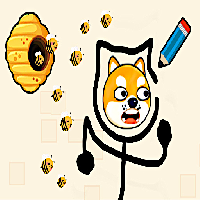
PROTECT MY DOG












SIMILAR GAMES



























Description


Protect My Dog - UBG For School
About Protect My Dog - UBG For School
At UBG For School we understand that the safety and wellbeing of every student’s companion animal is a top priority. Our mission is to provide comprehensive resources, guidance, and tools that empower parents, educators, and school administrators to protect dogs in academic environments. By integrating forward‑thinking policies with practical everyday practices, we aim to create a harmonious atmosphere where children can learn responsibly while their canine friends receive the care they deserve.
Key Strategies for Safeguarding School‑Age Dogs
Implementing effective protection measures requires a multi‑layered approach. Below are the most critical strategies that schools can adopt:
- Clear Supervision Protocols: Designate specific zones where dogs may accompany students, ensuring constant adult oversight.
- Health Monitoring Systems: Establish regular veterinary check‑ups and vaccination schedules to maintain optimal canine health.
- Emergency Preparedness Plans: Create contingency procedures for medical incidents, including accessible first‑aid kits and trained staff.
- Education Workshops: Conduct periodic sessions that teach children about responsible pet interaction, hygiene, and respect for animal boundaries.
- Secure Facility Layouts: Arrange classrooms, hallways, and outdoor areas to minimize hazards and prevent accidental escapes.
How Parents Can Contribute to Dog Protection
Parental involvement reinforces institutional efforts and strengthens community resilience. Consider the following actions:
- Pre‑Visit Planning: Communicate with teachers and administrators about your dog’s needs, schedule, and any special accommodations.
- Health Documentation: Provide up‑to‑date vaccination records, parasite control reports, and any required medication.
- Behavioral Training: Ensure your dog has mastered basic obedience commands such as sit, stay, and come to facilitate smooth classroom integration.
- Supply Provision: Pack necessary items like portable water bowls, blankets, and waste bags to maintain cleanliness.
- Feedback Loop: Offer constructive feedback after each school visit to help refine protective measures.
Benefits of a Proactive Protective Framework
A well‑structured protection plan yields numerous advantages:
- Enhanced emotional wellbeing for students who experience the comfort of companion animals.
- Improved attendance rates, as children are more likely to attend school when their pets are welcomed.
- Reduced risk of zoonotic disease transmission through systematic health checks.
- Strengthened community ties, fostering a culture of mutual respect between families and educational staff.
- Long‑term development of responsible attitudes toward animals, shaping future civic values.
Practical Tips for Daily Implementation
Integrating protection practices into everyday routines can be straightforward:
- Begin each school day with a quick health inspection of the dog’s paws, coat, and eyes.
- Assign a designated caretaker among staff to monitor dog activity during recess.
- Utilize visual cues such as colored mats to delineate dog‑friendly zones.
- Encourage students to practice hand‑washing before and after interacting with the dog.
- Maintain a logbook that records each visit, noting any observations or incidents.
Success Stories from Partner Schools
Several institutions have reported remarkable outcomes after adopting the UBG framework:
- A primary school in the region saw a 20% increase in student attendance after allowing leashed dogs in classrooms.
- A middle school implemented a weekly “Dog Wellness Hour,” resulting in heightened empathy scores among students.
- High‑school volunteers organized a community fundraiser that raised funds for a local animal shelter, reinforcing the protective mission.
Accessing Resources on UBG For School
All the tools, templates, and guidelines discussed are available through the official portal. Visit https://ubgforschool.gitlab.io/ to explore downloadable checklists, instructional videos, and contact information for certified veterinary partners.
Frequently Asked Questions
Q: Can any breed of dog participate in school programs?
A: While many breeds adapt well, the program prioritizes temperament, training level, and health status. Small or high‑energy breeds may require additional supervision.
Q: How often should a visiting dog receive veterinary care?
A: Minimum of twice a year for routine check‑ups, with additional visits for vaccinations, parasite control, or if health concerns arise.
Q: What should be done if a dog shows signs of illness during school hours?
A: Isolate the animal in a designated safe area, notify the on‑site caretaker, and contact the owner’s veterinarian immediately.
Conclusion
Protecting dogs within educational settings is not merely a regulatory obligation; it is a profound commitment to holistic student development and compassionate community building. By embracing the detailed strategies outlined above, schools can ensure that every canine companion enjoys a safe, nurturing environment while contributing positively to the learning experience. For ongoing support, resources, and expert guidance, rely on the dedicated platform at https://ubgforschool.gitlab.io/.
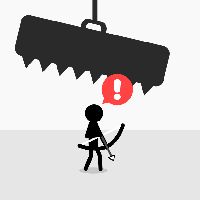
Play Protect My Dog for free on UBG For School, the platform with thousands of the best games. No Ads and easy to play from anywhere. Have fun with our unblocked games! Play with your keyboard or Click.