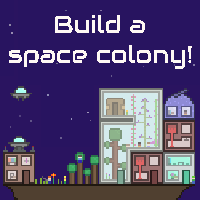
THE FINAL EARTH







SIMILAR GAMES






















Description


The Final Earth - UBG For School
About The Final Earth - UBG For School
Our platform delivers an immersive digital environment where learners explore planetary systems, climate dynamics, and sustainable development through interactive simulations. The experience is designed to align with secondary education standards while encouraging critical thinking and collaborative problem‑solving. By integrating real‑time data visualizations and adaptive challenges, students develop a deeper appreciation for Earth science concepts and their practical implications.
Core Features of The Final Earth - UBG For School
The system combines engaging storytelling with rigorous academic content. Key components include:
- Interactive Globe: Users navigate a 3D representation of the planet, selecting layers to reveal geological formations, atmospheric conditions, and human impact zones.
- Dynamic Climate Models: Real‑time adjustments let learners experiment with variables such as greenhouse gas emissions, renewable energy adoption, and deforestation rates.
- Curriculum‑Aligned Modules: Each module maps to specific learning objectives in earth science, geography, and environmental studies.
- Collaborative Projects: Group workspaces enable classmates to co‑create reports, presentations, and policy proposals using shared datasets.
- Assessment Dashboard: Teachers receive instant feedback on student progress, with analytics that highlight mastery of key concepts.
Interactive Map Exploration
Learners can zoom into continents, select biomes, and examine cross‑sectional views of ecosystems. Every location provides contextual data on temperature trends, precipitation patterns, and biodiversity indices. The interface supports touch‑screen navigation on tablets, making it ideal for classroom labs and remote learning sessions.
Educational Benefits for Students
Research indicates that experiential learning enhances retention of complex scientific ideas. Our platform leverages this principle by:
- Promoting Active Inquiry: Students formulate hypotheses, test them within simulations, and draw evidence‑based conclusions.
- Developing Data Literacy: By interpreting charts, graphs, and statistical outputs, learners build skills essential for modern scientific work.
- Fostering Systems Thinking: The interconnected nature of Earth processes encourages students to consider feedback loops and long‑term impacts.
- Encouraging Sustainable Practices: Scenario‑based activities demonstrate how individual and collective actions influence climate resilience.
Curriculum Alignment
Each educational unit mirrors national standards for earth and environmental science. Example alignments include:
- Understanding the Rock Cycle through layered geological simulations.
- Analyzing Carbon Cycle dynamics using emission‑adjustment tools.
- Exploring Water Resource Management strategies in semi‑arid regions.
- Evaluating Renewable Energy integration across diverse terrains.
How Teachers Can Integrate The Final Earth - UBG For School
Implementation follows a straightforward workflow that maximizes instructional time while minimizing preparation effort.
Step 1: Create Classroom Account
Educators register using institutional email addresses, then customize a dashboard that reflects class size, grade level, and subject focus.
Step 2: Select Learning Pathways
From the module library, teachers assign specific pathways that correspond with upcoming lessons. Each pathway includes pre‑assessment questions, interactive activities, and post‑activity reflections.
Step 3: Facilitate Group Investigations
Students collaborate in virtual workstations, gathering data, constructing models, and presenting findings through multimedia reports.
Step 4: Monitor Progress
The assessment dashboard supplies real‑time metrics, allowing instructors to identify misconceptions and provide targeted interventions before formal evaluations.
Step 5: Reflect and Extend
After completing a unit, teachers guide discussions linking simulation outcomes to real‑world case studies, encouraging students to propose actionable solutions for local environmental challenges.
Teacher Support Resources
A comprehensive suite of auxiliary materials ensures seamless integration into existing lesson plans.
- Lesson Guides: Detailed outlines that map each simulation step to learning objectives and assessment criteria.
- Video Tutorials: Short instructional clips that demonstrate navigation, data extraction, and export functions.
- Professional Development Webinars: Live sessions where educators share best practices and receive feedback from instructional designers.
- Printable Worksheets: Offline activities that reinforce concepts introduced in the digital environment.
Community and Collaboration
The platform hosts a global network of educators who exchange lesson adaptations, supplemental resources, and success stories. Participation in this community enriches classroom practice and keeps content aligned with emerging scientific research.
Joining the Educator Forum
Registered teachers gain access to discussion boards where they can pose questions, propose modifications, and collaborate on cross‑curricular projects.
Future Enhancements
Upcoming releases plan to introduce augmented reality overlays, deeper integration with satellite imagery, and AI‑driven personalized learning pathways. These advancements aim to further bridge the gap between classroom instruction and real‑world Earth observation.
Explore the full experience at UBG For School and discover how the platform can transform your instructional approach while inspiring the next generation of planetary stewards.
Play The Final Earth for free on UBG For School, the platform with thousands of the best games. No Ads and easy to play from anywhere. Have fun with our unblocked games! Play with your keyboard or Click.